

Thickener
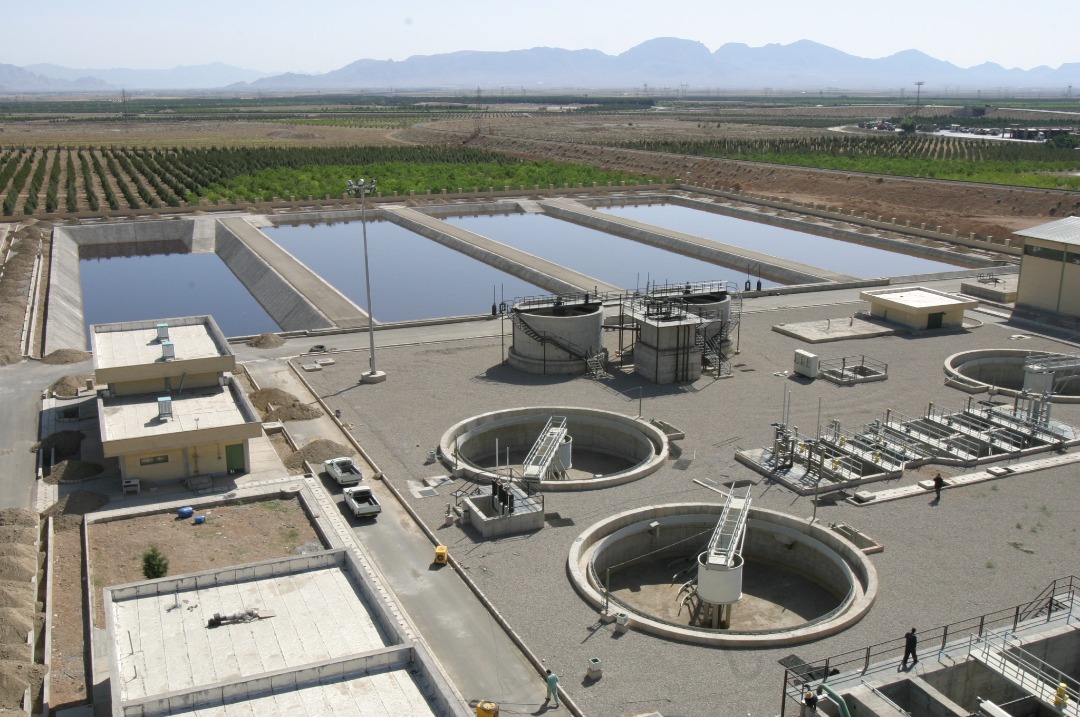
In most water treatment systems, water is treated to precipitate contaminants. At this point, the water is usually cloudy and contains about 0.5 to 3 percent solids. The sludge is then thickened to improve settling, and pumped to a press or drier system. After the drying process, the sludge is often called a cake because the consistency has changed with a solid content anywhere from 30 to 90 percent.
Application
Sludge is normally pumped to the thickener, while polymer is injected prior to sludge entering a tank. The tank has a vertically mounted mechanical mixer; the polymer is gently agitated for up to 1 minute to aggregate the fine solids into tightly held floc . The conditioned sludge overflows into the distribution head box and is fed gently on the inside surface of the screen cylinder. The floc is retained on the screen surface as the liquid flows rapidly through the screen opening. The liquid filtrate is collected and directed to an outlet on the bottom of the discharge pan; the solids are transported by flights along the cylinder and discharged out the open end and exiting through the discharge chute. The thickened sludge attains high levels of consistency as the rotation induces the free liquid to drain away.
A shower bar along the top section applies an intermittent cleaning shower to keep screen openings clean.
- Reducing hardness of drinking water
- Removing hardness of
- Removing/Reducing hardness of cooling and heating systems
- Removing/Reducing hardness of water used in textile, color industries and …
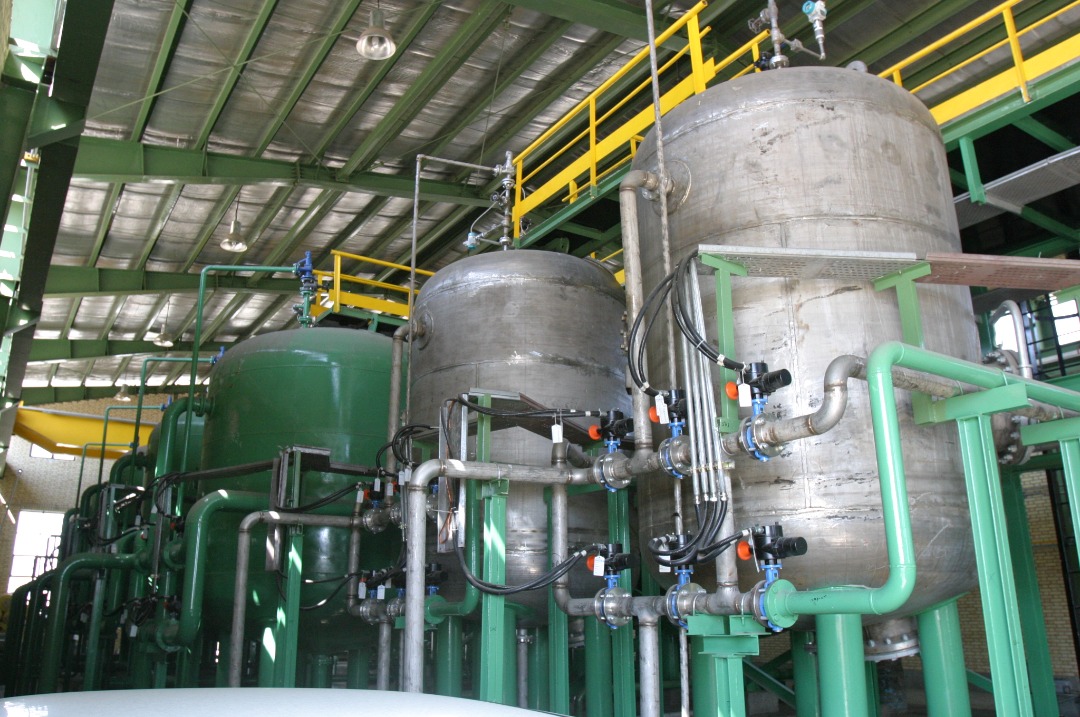
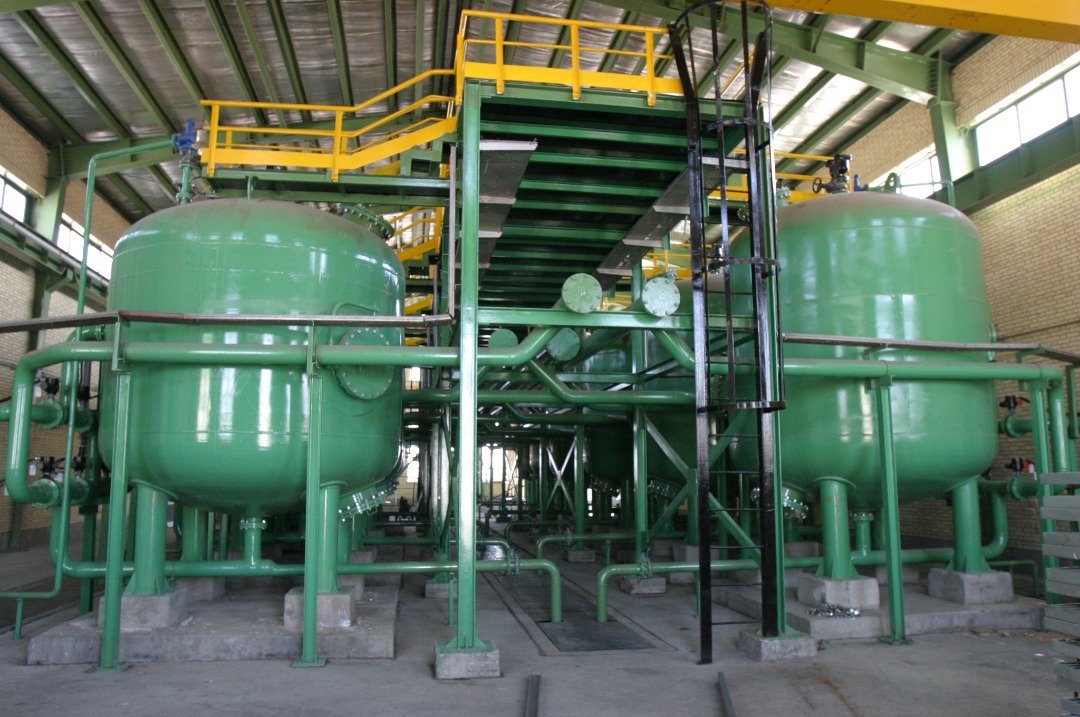
Technical Characteristics of Softener Equipment
- Carbon Steel Reservoir
- Water Distributor and Collector Systems including Specific nozzle
- Galvanic, P.V.C and Polyethylene Conveyors
- A layer of Graveled Silicon
- Manual, Half-automatic and Full-automatic Controller
Other types of softeners with higher capacities can also be designed with considering the costumers needs and information by Teharn- Zist experts.

